


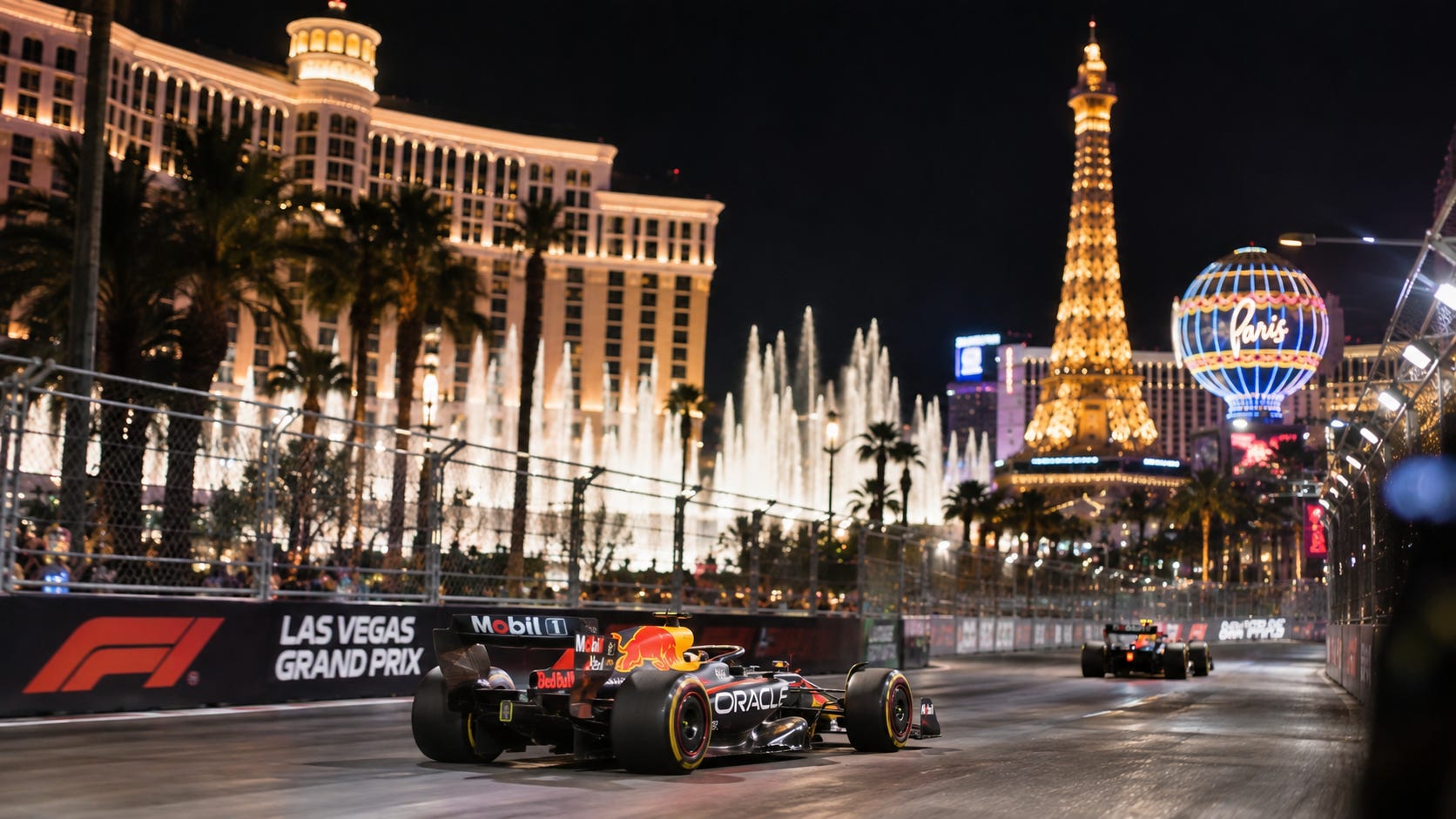
What does it take to turn and entire city into part of a sporting event?
In Las Vegas, apparently, it takes 20 Formula 1 cars, a stretch of the Strip and a city that already knows a thing or two about putting on a show.
On November 21, drivers will race past some of the most recognizable hotels in the world. The Bellagio, Caesars Palace and the Venetian are part of the scenery along a 6.2 kilometer street circuit.
But I’ve become just as interested in what happens outside the track.
The hotels filling rooms. The restaurant preparing for visitors. The companies entertaining clients in private suites. The technology and engineering behind the cars. And the people whose businesses depends on bringing these enormous events to life.
It’s a fascinating combination of sport, tourism, luxury and commerce.
And Las Vegas offers a particularly revealing example of how it works.
A $3.9 Billion Business
Formula 1 generated approximately $3.87 billion in revenue in 2025, according to Liberty Media, the company that holds it’s commercial rights.
That’s worldwide revenue, not the money made from a single Grand Prix.
The championship earns revenue through race promotion agreements, broadcasting rights, sponsorships, licensing, hospitality and related commercial activities.
What caught my attention was how much the audience has changed.
Formula 1 estimates that it’s global fanbase reached 827 million in 2025. Forty three percent were under 35 and women accounted for 42% of fans, compared with 37% in 2018.
That helps explain why the sport has become attractive to companies far beyond the automotive industry.
A Grand Prix gives brands access to an international audience but it also bring customers, business partners and potential clients into the same city at the same time.
And those visitors need somewhere to stay, eat, celebrate and spend their money.
What a Grand Prix Is Worth to Las Vegas
Here’s where the numbers get particularly intersting.
An economic impact study by applied analysis estimated that the 2024 Las Vegas Grand Prix generated $934 million in economic activity across Southern Nevada.
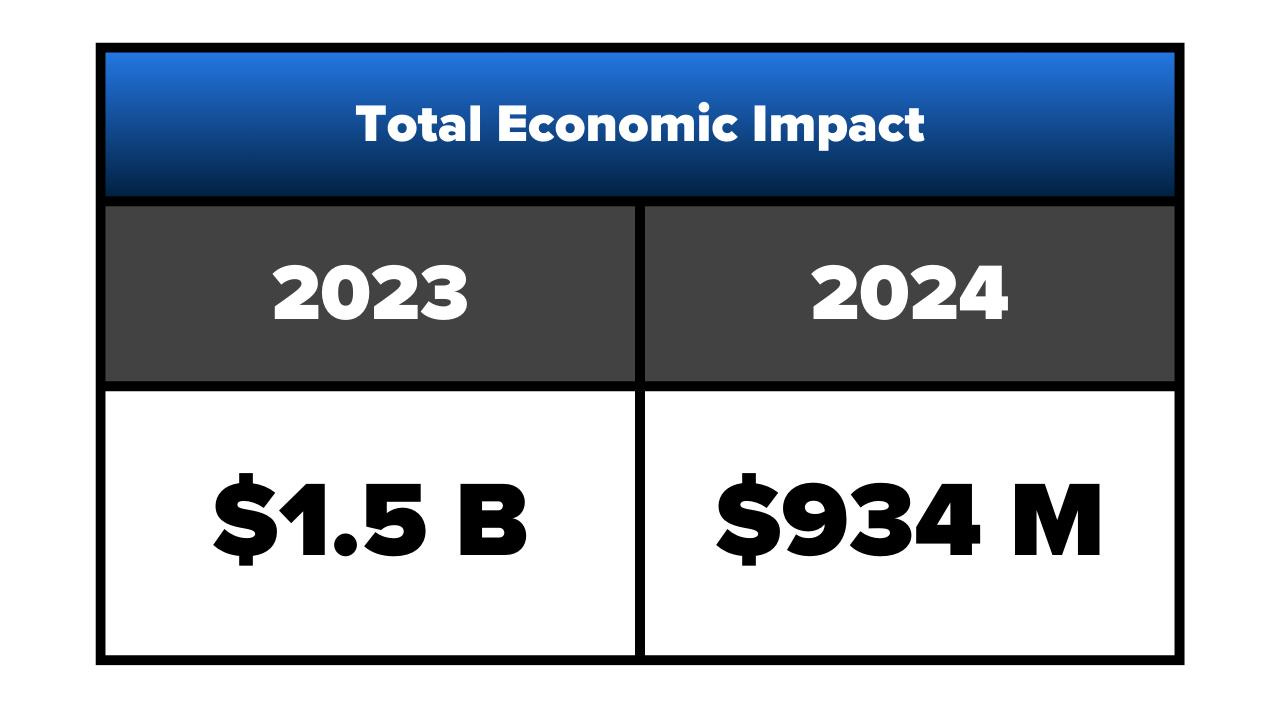
Nearly 175,000 unique visitors traveled to the region for the event. According to the study, they stayed an average of 3.7 nights and spent more that $2,400 each on expenses and entertainment. Race tickets weren’t included in that spending figure.
So, someone might arrive to watch qualifying and the Grand Prix, but a significant portion of their trip takes place away from the circuit.
That creates opportunities for businesses that have nothing to do with building a racing car.
There’s an important caveat. Applied Analysis conducted the study in partnership with Formula 1, and the $934 million figure is a modeled estimate of economic activity, not net profit or a guarantee that every local business benefits.
The report also accounted for visitors and business that may have been displaced by the event.
Still, it’s a striking example of what happens when a sporting event becomes a reason for people to travel.
And Las Vegas is particularly well equipped to capitalize on it.
The Business of Being There
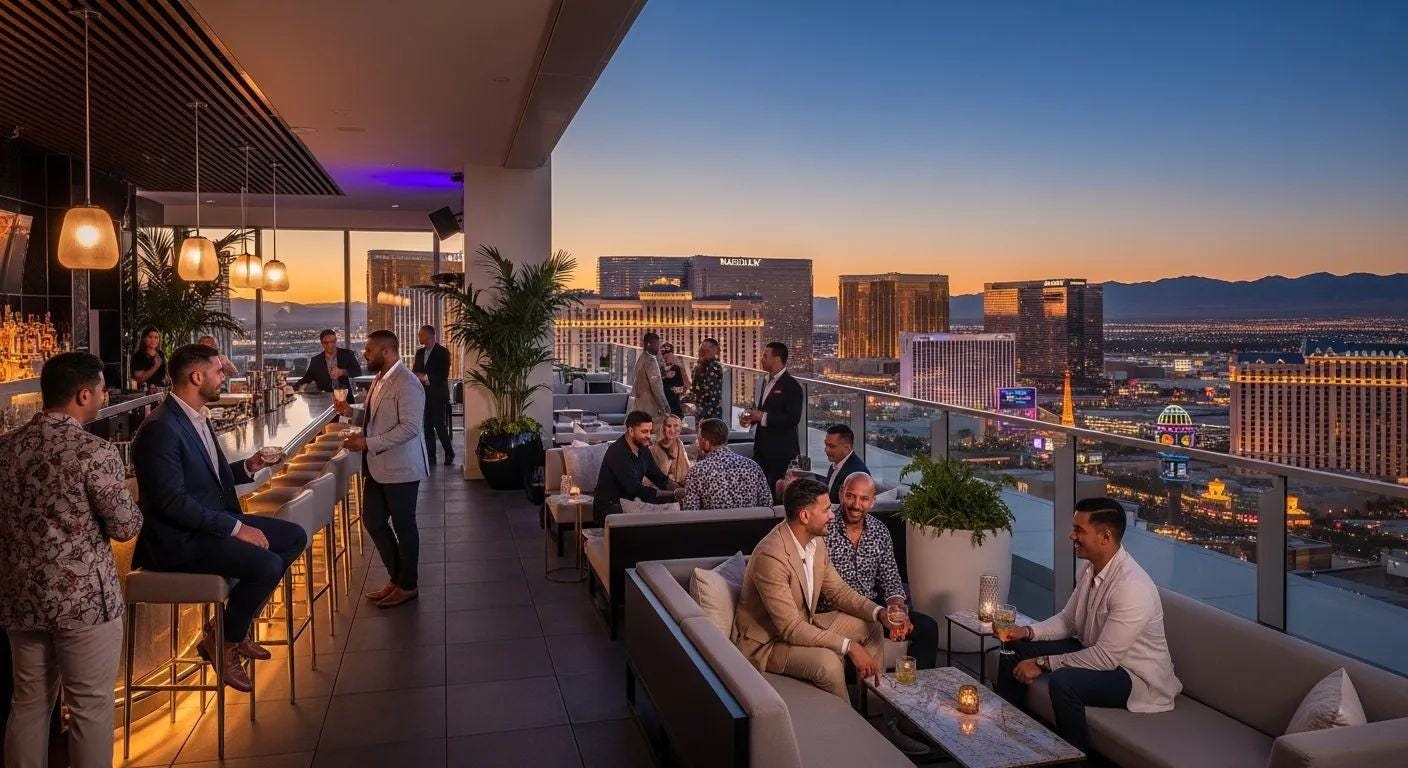
A Formula 1 ticket can get you a seat int he grandstands.
A premium hospitality package can turn the weekend into something closer to a luxury travel experience.
The Paddock Club, for example, combines race viewing with dining and corporate hospitality. For some guests, it’s a chance to get closer to the sport. For others, it’s an opportunity to entertain clients or spend time with business partners.
I find the distinction interesting.
The same event can serve someone who has followed Formula 1 for decades and someone whose main reason for attending is a business relationship.
And in a destination like Las Vegas, the experience can extend into restaurants, hotel suites, entertainment venues and private gatherings throughout the weekend.
There’s an entire industry involved in creating those experiences.
The people managing guest services. The chefs and hospitality teams. The event producers. The brands developing partnerships. The busnesses arranging travel and entertainment.
Those are the stories I’d love to get closer to.
Because the race may be what everyone has in common, but people can experience the weekend in very different ways.
Why People Are Watching Who Never Followed Racing
There’s another part of Formula 1’s growth worth paying attention to.
The audience has changed and so has the way people discover the sport.
Netflix’s Drive to Survive introduced many viewers to the personalities, rivalries and pressure behind the championship.
You don’t necessarily need to understand tire strategy or aerodynamics to become interesting in a driver trying to keep his seat, a team dealing with internal conflict or a championship battle coming down to the final race.
Those stories give people a reason to care before they understand every technical detail.
And Formula 1’s calendar adds something that many sports don’t have in quite the same way: a different destination nearly every race weekend.
Monaco, with its narrow streets and history. Miami, with its entertainment and hospitality culture. Las Vegas, where the cars race under the lights of the strip.
Each location brings its own identity.
For people who enjoy travel as much as sport, that’s a powerful combination.
The Technology Behind the Spectacle
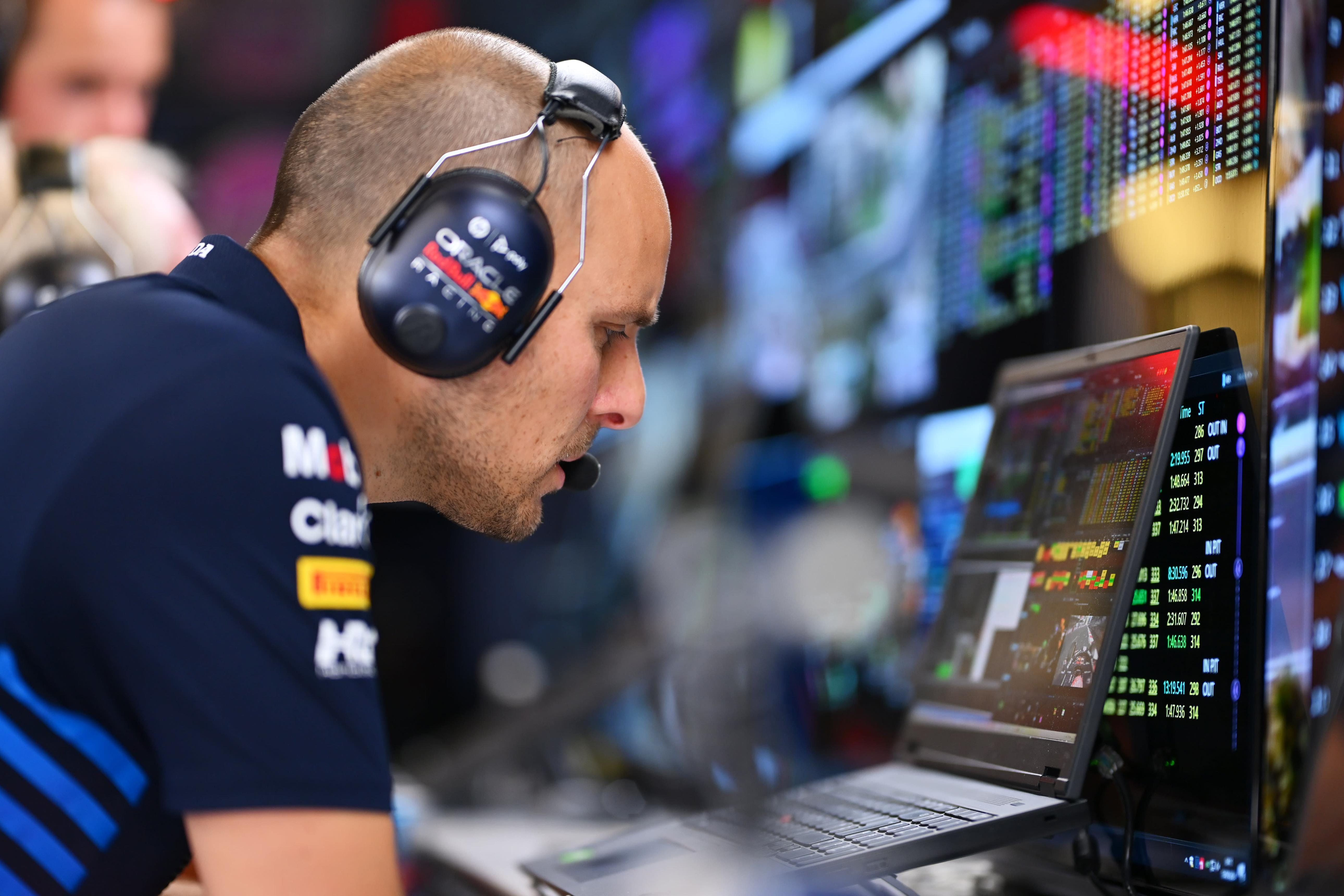
It’s easy to focus on the celebrity appearances, fashion and hospitality surrounding Formula 1. But the engineering remains one the most impressive parts of the championship.
Teams depend on specialists in aerodynamics, materials, simulation, data analysis, mechanical engineering and race strategy.
A tiny performance advantage can make an enormous difference.
The 2026 season also introduced major technical changes, including new power unit regulations and the use of advanced sustainable fuel.
For technology companies, Formula 1 offers an unusual combination: a competition where engineering performance is visible to millions of people, alongside a global commercial platform.
That helps explain why the championship attracts interest from companies involved in technology, data and innovation, not only traditional automotive brands.
The drivers are the public faces of the sport. But the number of people an disciplines required to put a competitive car on the grid is extraordinary.
What Formula 1 Understands About Modern Sport
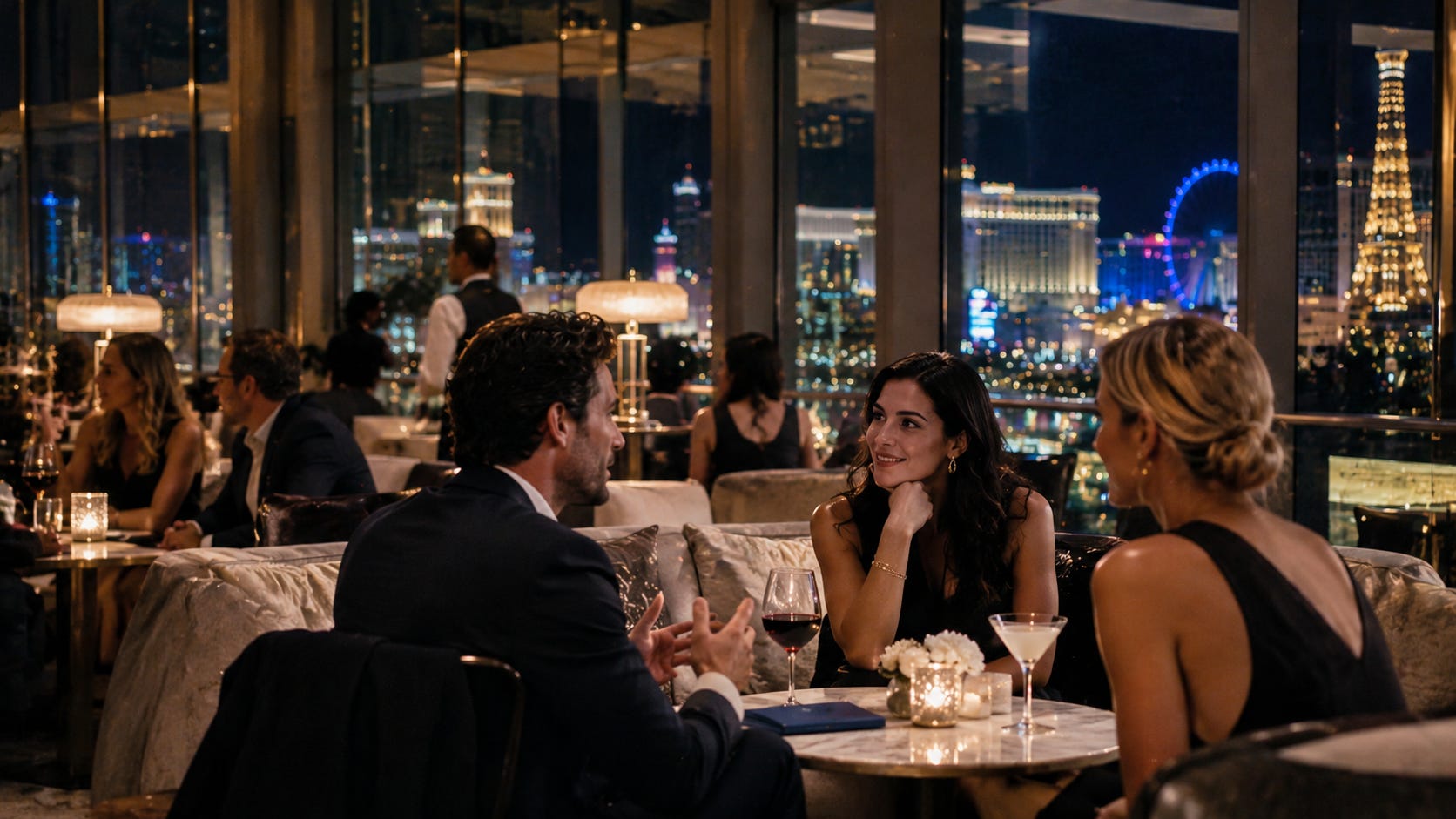
I’ve noticed a related trend in other sports.
Tennis tournaments have become major social occasions. Golf events bring together competition and corporate hospitality. And newer pickleball and padel clubs are experimenting with spaces where people can play, eat, work, and socialize.
These businesses operate on completely different scales from Formula 1, of course.
But they raise a similar question.
What makes people want to spend time around a sport, even when they’re not actively competing?
Sometimes it’s the competition. Sometimes it’s the social experience. Often, it’s both.
Formula 1 has spent decades building it’s racing championship and it’s growing commercial reach shows how much activity can develop around a sporting event.
That doesn’t make the racing any less important.
In fact, the entire experience depends on people caring about what happens on the track.
But it does make me curious about the businesses and people creating everything around it.
Beyond the Grandstands
The Las Vegas Grand Prix takes place November 19-21, with the race scheduled for Saturday night at 8 p.m. local time.
I’ll be following the competition, but I’ll also be paying attention to the hotels, hospitality businesses, sponsors and event producers working around it.
I want to know what makes a Grand Prix weekend commercially successful, how host cities measure it’s value and what the people building these experiences have learned.
And, I’d like to hear from the businesses themselves, not just the economic impact reports.
Because, somewhere between the racetrack, the hotel lobby and the hospitality suite, there’s a much larger story about the business of bringing people together.
That’s the story I’m interested in following.
Sources:
The Provenance explores people, places and businesses shaping travel, technology, wellness and culture.
Subscribe for original features, reporting and stories from the places where interesting things are happening.